
The Office Amenity That Actually Improves Teamwork
Originally published in Harvard Business Review • July 9, 2026
Most leaders think better teamwork starts with more collaboration. Our research found the opposite.
Read the Original in Harvard Business Review
Key Takeaway
Many organizations assume that better teamwork comes from creating more opportunities for people to interact. Research involving more than 6,000 knowledge workers suggests the opposite. The strongest workplace predictor of high-performing teams wasn't an open office, hybrid work, free meals, or collaborative spaces. It was access to a quiet place for uninterrupted focus. The best teams don't collaborate constantly. They deliberately balance collaboration with protected time for deep thinking, allowing individuals to produce higher-quality work before bringing ideas back to the group.
What This Means for Leaders
Most debates about teamwork start with the wrong question.
Leaders argue about whether employees should work remotely, return to the office, or split time between both. Those discussions assume that location determines performance. Behavioral science suggests something more fundamental: performance depends on whether people have the right environment for the task they're trying to accomplish.
Different kinds of work demand different cognitive states. Brainstorming, coaching, and decision-making benefit from interaction. Writing, strategic thinking, analysis, and solving difficult problems require sustained concentration. When organizations optimize for one state while neglecting the other, performance suffers.
This helps explain why many teams feel busy without making meaningful progress. The average knowledge worker now spends much of the day switching between meetings, messages, emails, and collaborative tools. Every interruption forces the brain to reorient its attention, creating hidden costs that accumulate throughout the day. The issue isn't simply lost time. It's diminished thinking.
Behavioral science has repeatedly shown that attention is one of our most limited resources. Once fragmented, it becomes harder to solve complex problems, generate creative ideas, and make sound decisions. The highest-performing teams recognize that protecting attention is not an individual responsibility. It's a leadership responsibility.
That insight also changes how we think about collaboration. Great teamwork isn't created by maximizing communication. It's created by making every interaction more valuable. When people have time to think before meetings, discussions become sharper. Decisions improve. Feedback becomes more thoughtful. Collaboration becomes an accelerator of good ideas instead of a substitute for them.
The strongest teams don't choose between focus and collaboration. They deliberately design their work so each strengthens the other.
More Harvard Business Review Articles by Ron Friedman
Ron Friedman has written more than 20 articles for Harvard Business Review exploring leadership, teamwork, workplace culture, motivation, and the science of high-performing teams.
this is a sample linked to the podcasts
|
this is a sample linked to the podcasts |
See These Ideas in Action
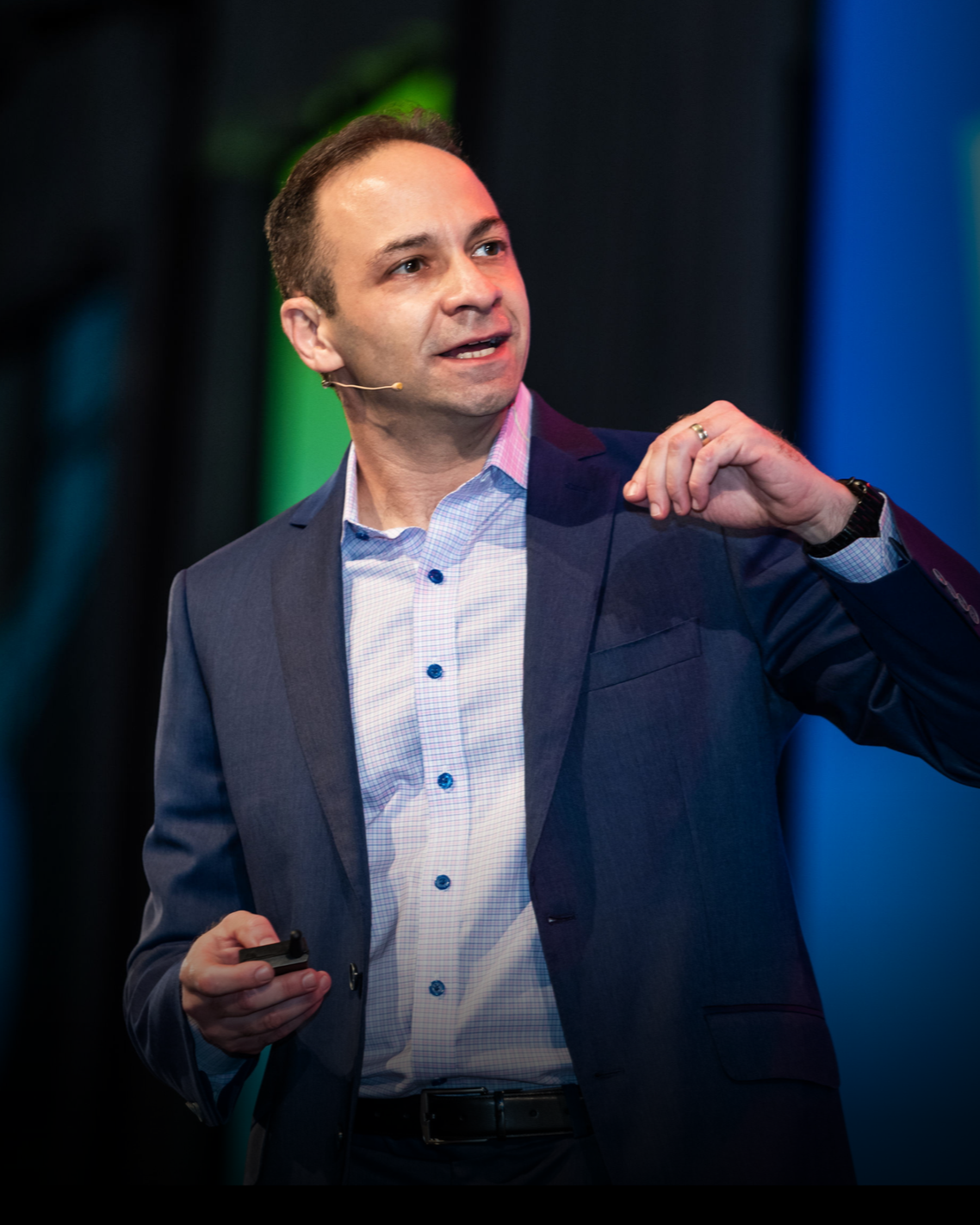
The research in this article is one piece of a much larger puzzle.
For more than two decades, Ron Friedman has studied the behaviors that help leaders and teams perform at their best. His research spans leadership, teamwork, collaboration, workplace culture, motivation, and the science of high-performing teams, with insights published in more than 20 Harvard Business Review articles and three bestselling books.
Today, Ron brings those discoveries to organizations around the world, translating behavioral science into practical ideas leaders can apply immediately. He has taught more than 300,000 executives and delivered keynote presentations for organizations including IBM, Amazon, Boeing, Trader Joe's, Accenture, Kaiser Permanente, Sephora, ADP, MassMutual, and Baird.