
by Ron Friedman
Originally published in Harvard Business Review • November 10, 2014
Most professionals think tomorrow's productivity begins when they arrive at work. Behavioral science points to a different conclusion. One of the most important work habits doesn't happen in the office at all. It happens just before you go to bed.
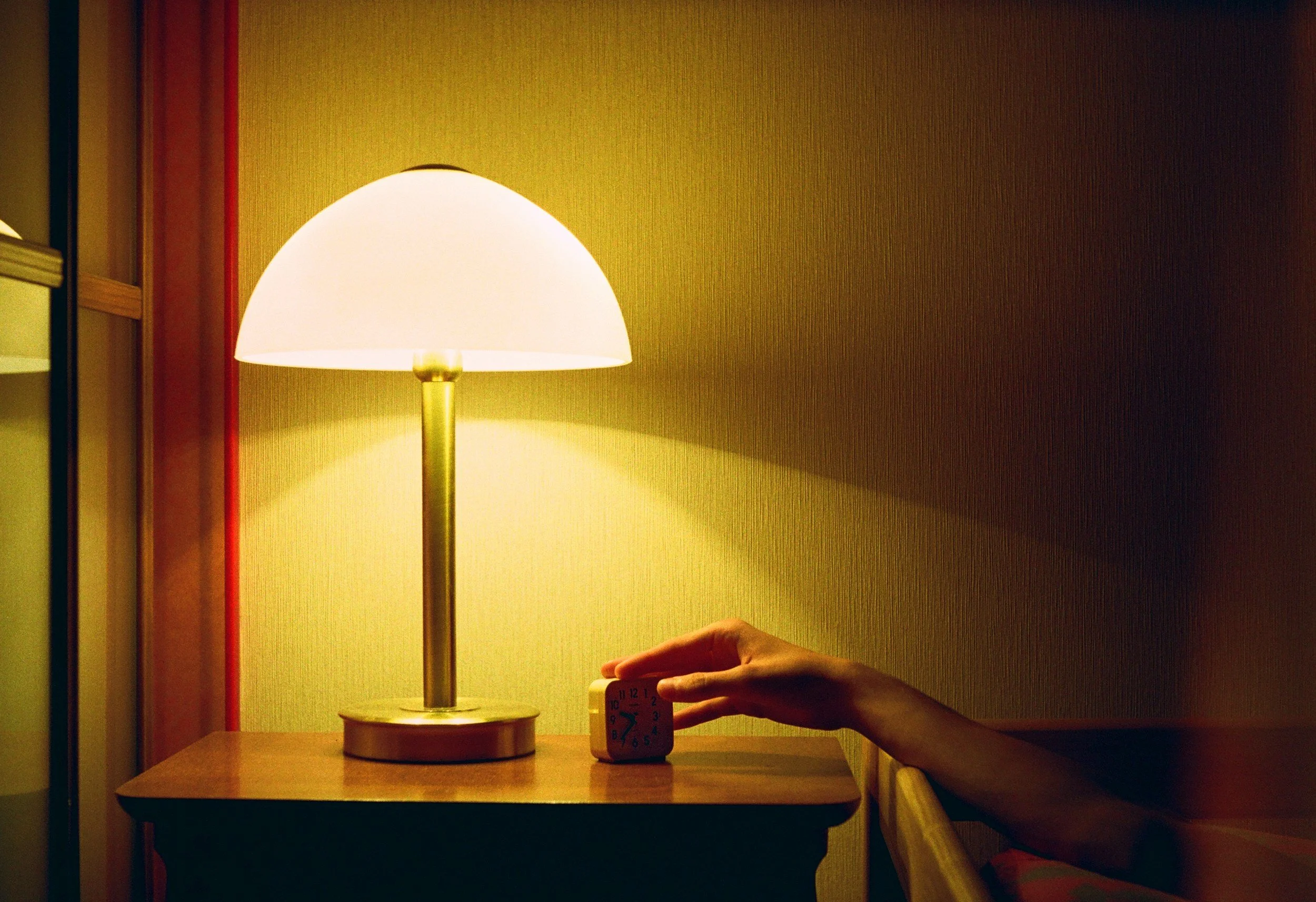
How much sleep did you get last night? If the answer is “not enough” you’re hardly alone. According to Gallup’s estimates, almost half the people you’ll run into today are suffering from some level of sleep deprivation.
We often dismiss a little morning fatigue as an inconvenience, but here’s the reality. Missing sleep worsens your mood, weakens your memory, and harms your decision-making all day long. It scatters your focus, prevents you from thinking flexibly, and makes you more susceptible to anxiety. (Ever wonder why problems seem so much more overwhelming at 1:00am than in the first light of day? It’s because our brains amplify fear when we’re tired.)When we arrive at work sleepy, everything feels harder and takes longer. According to one study, we are no more effective working sleep-deprived than we are when we’re legally drunk.
It’s worth noting that no amount of caffeine can fully compensate for lack of sleep. While a double latte can make you more alert, it also elevates your stress level and puts you on edge, damaging your ability to connect with others. Coffee can also constrain creative thinking.
To perform at our best, our bodies require rest—plain and simple. Which underscores an important point: on days when we flourish, the seed has almost always been planted the night before.
Since most of us can’t sleep later in the morning than we currently do, the only option is to get to bed earlier. And yet we don’t. Why? The reason is twofold. First, we’re so busy during the day that the only time we have to ourselves is late in the evening – so we stay up late because it’s our only downtime. Second, we have less willpower when we’re tired, which makes it tougher to force ourselves into bed.
So, how do you get to bed earlier and get more sleep? Here are a few suggestions, based on goal-setting research.
Start by identifying an exact time when you want to be in bed. Be specific. Trying to go to bed “as early as possible” is hard to achieve because it doesn’t give you a clear idea of what success looks like. Instead, think about when you need to get up in the morning and work backwards. Try to give yourself 8 hours, meaning that if you’d like to be up by 6:45am, aim to be under the covers no later than 10:45pm.
Next, do a nighttime audit of how you spend your time after work. For one or two evenings, don’t try to change anything—simply log everything that happens from the moment you arrive home until you go to bed. What you may discover is that instead of eliminating activities that you enjoy and are keeping you up late (say, watching television between 10:30 and 11:00), you can start doing them earlier by cutting back on something unproductive that’s eating up your time earlier on (like mindlessly scanning Facebook between 8:30 and 9:00).
Once you’ve established a specific bedtime goal and found ways of rooting out time-sinks, turn your attention to creating a pre-sleep ritual that helps you relax and look forward to going to bed. A major impediment to getting to sleep on time is that when 11:00pm rolls around, the prospect of lying in bed is not as appealing as squeezing in a quick sitcom or scanning tomorrow’s newspaper headlines on your smartphone. Logically, we know we should be resting, but emotionally we’d prefer to be doing something else.
To counteract this preference, it’s useful to create an enjoyable routine; one that both entices you to wind down and enables you to go from a period of activity to a period of rest. The transition is vital. Being tired simply does not guarantee falling asleep quickly. First you need to feel relaxed. But what relaxes one person can exasperate another. So I’ll offer a menu of ideas to help you identify a bedtime ritual that’s right for you:
Read something that makes you happy. Fiction, poetry, graphic novels. Whatever sustains your attention without much effort and puts you in a good mood. (Warning: Never read anything work-related in bed. Doing so will make it more difficult for you to associate your bed with a state of relaxation.)
Lower the temperature. Cooler temperatures help us fall asleep and make the prospect of lying under the covers more appealing. The National Sleep Foundation recommends keeping your thermostat between 60 and 67 degrees overnight.
Avoid blue light. Exposure to blue light – the kind emanating from our smartphones and computer screens – suppresses the body’s production of melatonin, a hormone that makes us to feel sleepy. Studies show that reducing exposure to blue light, either by banishing screens before bedtime or by using blue light-blocking glasses, improves sleep quality.
Create a spa-like environment. Create a tranquil environment with minimal stimulation. Dim the lights, play soothing music, light a candle.
Handwrite a note. One of the most effective ways of boosting happiness is expressing gratitude. You can experience gratitude while writing a thank-you note to someone you care about, or privately, by listing a few of your day’s highlights in a diary.
Meditate. Studies show that practicing mindfulness lowers stress and elevates mood.
Take a quiet walk. If the weather’s right, an evening walk can be deeply relaxing.
Experts recommend giving yourself at least 30 minutes each night to wind down before attempting to sleep. You might also try setting an alarm on your smartphone letting you know when it’s time to begin, so that the process becomes automatic.
However you choose to use the time before bed, do your best to keep this time free of negative energy. Avoid raising delicate topics with your spouse, and don’t even set your morning alarm right before going to bed – it will just get your mind thinking about the stresses of the next day. (Instead, re-set your alarm for the following morning right when you wake up.)
And finally, keep a notepad and a light-up pen nearby. If you think of something you need to do the next day, jot it down instead of reaching for your smartphone. Do the same for any important thought that pops into your head as you are trying to fall asleep. Once you’ve written it down, you’ll find it’s a lot easier to let go.
Key Takeaway
Not all hours of the workday are equally productive. In this article, Ron Friedman explains how our cognitive performance naturally rises and falls throughout the day, affecting concentration, decision-making, creativity, and self-control.
Research suggests that aligning demanding work with periods of peak alertness leads to better outcomes, while reserving lower-energy periods for meetings, administrative tasks, or creative thinking allows people to work with, rather than against, their biology.
By intentionally protecting their highest-energy hours, professionals can improve both the quality and efficiency of their work without working longer hours.
What This Means for Leaders
Most organizations manage people's calendars. Few manage their cognitive resources.
Behavioral science shows that performance depends not only on what people work on, but when they work on it. Yet many workplaces schedule the day without considering employees' natural fluctuations in attention and mental energy. As a result, the hours best suited for deep thinking are often consumed by meetings and routine requests.
Leaders can change that. By protecting time for focused work, scheduling routine meetings during lower-energy periods, and encouraging employees to match important tasks with their peak hours, they help people produce better work without requiring additional effort.
The broader lesson is that time isn't the only resource leaders should manage. Attention and energy fluctuate throughout the day, and organizations that respect those rhythms consistently make better decisions and achieve stronger performance.
More Harvard Business Review Articles by Ron Friedman
Ron Friedman has written more than 20 articles for Harvard Business Review exploring leadership, teamwork, workplace culture, motivation, and the science of high-performing teams.


See These Ideas in Action
The research in this article is one piece of a much larger puzzle.
For more than two decades, Ron Friedman has studied the behaviors that help leaders and teams perform at their best. His research spans leadership, teamwork, collaboration, workplace culture, motivation, and the science of high-performing teams, with insights published in more than 20 Harvard Business Review articles and three bestselling books.
Today, Ron brings those discoveries to organizations around the world, translating behavioral science into practical ideas leaders can apply immediately. He has taught more than 300,000 executives and delivered keynote presentations for organizations including IBM, Amazon, Boeing, Trader Joe's, Accenture, Kaiser Permanente, Sephora, ADP, MassMutual, and Baird.