
by Ron Friedman
Originally published in Harvard Business Review • February 3, 2015
Most professionals organize their calendars around meetings and deadlines. Behavioral science suggests there's another variable that deserves equal attention: your biology. The best time to do important work isn't simply when you're available. It's when your brain is operating at its best.
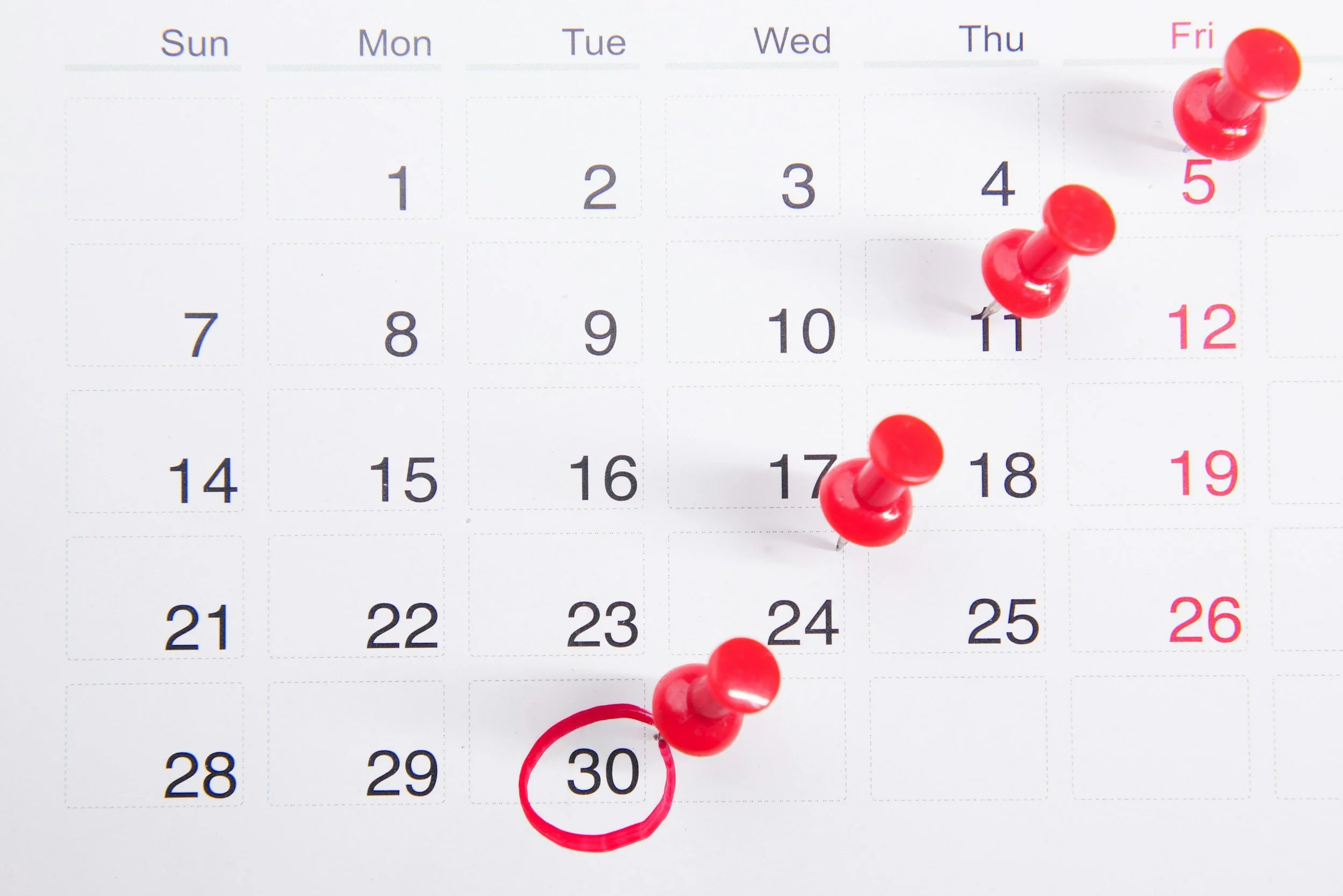
If you work with a team, chances are your inbox is often flooded with invitations. Internal meetings, client conference calls, the occasional lunch request. Assuming you have some control over your calendar, how you respond to these offers generally depends on two factors: the value of attending the meeting and your availability.
Rarely, however, do most consider a third factor in our decision-making criteria: the time of day when you are at your most productive.
By now, you’ve probably noticed that the person you are midway through the afternoon is not the same person who arrived first thing in the morning. Research shows our cognitive functioning fluctuates throughout the day. If you’re like most people, you’ll find that you can get a lot done between 9:00am and 11:00am. Not so at 2:30pm. Later in the day, it often feels like we’re moving at a fraction of our morning pace.
That’s not an illusion. Recent studies have found that on average, people are considerably worse at absorbing new information, planning ahead and resisting distractions as the day progresses.
The reason this happens is not merely motivational. It’s biological. Our bodies run on a circadian rhythm that affects our hormone production, brain wave activities, and body temperature. Each of these variations tinker with our energy level, impacting our alertness and productivity.
Importantly, we don’t all follow identical patterns. While most people do their best work in the morning (and our preference for mornings tends to increase with age), others are night owls who are more productive later in the day. Research suggests that our fondness for morning or evenings isn’t simply a personal preference—it’s directly tied to the time of day when our physical and cognitive abilities peak. And one new study has even found that morning people are more ethical in the morning – and night owls, more ethical later in the day.
To get the most out of every day, you need to guard the hours when you are at your most productive. Think back to yesterday and the day before. At which points of your day did you feel at your most energetic? (If you’re not sure, tools like RescueTime can help.) Chances are, these are times with the highest productivity potential.
Once you’ve identified high-potential hours, consider treating them differently—for example, by blocking them off on your calendar. This discourages colleagues with access to your availabilities from suggesting these times for meetings. An additional advantage of having high-potential hours blocked off is that it prompts you to think twice before suggesting your own non-essential meetings at that time.
Proactively setting aside your best hours to get work done saves you from having to scramble later on to compensate. Use these hours for working on high-priority projects, making decisions you’ve been avoiding, or initiating a difficult conversation.
And, if you’re the owner of a dull, 10 a.m. staff meeting, do your team a favor and reschedule it for after lunch. The afternoon is when most people’s energy levels naturally dip. Lower energy levels can be disastrous for work that requires deep focus, but is considerably less detrimental in the context of other people. Having others around also naturally increases our alertness levels, helping counteract the slump in energy.
Fatigue, it’s worth noting, is not all bad. In fact, the findings of a 2011 study suggest that when our minds are tired, we are more distractible and less adept at filtering out seemingly irrelevant ideas. The free association that ensues makes “off-peak” hours an ideal time for finding novel solutions.
Ultimately, the best way to schedule is to take our natural energy fluctuations into account. You can maximize your productivity by calibrating activities to the right time of day. If a task requires willpower and complex thinking, plan to do it when you are at your most alert. In contrast, if what you’re after is a fresh perspective, use fatigue to your advantage by looking for solutions when your energy drops.
In either case, protect your best hours. If you don’t do it, who will?
Key Takeaway
Not all hours of the workday are equally productive. In this article, Ron Friedman explains how our cognitive performance naturally rises and falls throughout the day, affecting concentration, decision-making, creativity, and self-control.
Research suggests that aligning demanding work with periods of peak alertness leads to better outcomes, while reserving lower-energy periods for meetings, administrative tasks, or creative thinking allows people to work with, rather than against, their biology.
By intentionally protecting their highest-energy hours, professionals can improve both the quality and efficiency of their work without working longer hours.
What This Means for Leaders
Most organizations manage people's calendars. Few manage their cognitive resources.
Behavioral science shows that performance depends not only on what people work on, but when they work on it. Yet many workplaces schedule the day without considering employees' natural fluctuations in attention and mental energy. As a result, the hours best suited for deep thinking are often consumed by meetings and routine requests.
Leaders can change that. By protecting time for focused work, scheduling routine meetings during lower-energy periods, and encouraging employees to match important tasks with their peak hours, they help people produce better work without requiring additional effort.
The broader lesson is that time isn't the only resource leaders should manage. Attention and energy fluctuate throughout the day, and organizations that respect those rhythms consistently make better decisions and achieve stronger performance.
More Harvard Business Review Articles by Ron Friedman
Ron Friedman has written more than 20 articles for Harvard Business Review exploring leadership, teamwork, workplace culture, motivation, and the science of high-performing teams.


See These Ideas in Action
The research in this article is one piece of a much larger puzzle.
For more than two decades, Ron Friedman has studied the behaviors that help leaders and teams perform at their best. His research spans leadership, teamwork, collaboration, workplace culture, motivation, and the science of high-performing teams, with insights published in more than 20 Harvard Business Review articles and three bestselling books.
Today, Ron brings those discoveries to organizations around the world, translating behavioral science into practical ideas leaders can apply immediately. He has taught more than 300,000 executives and delivered keynote presentations for organizations including IBM, Amazon, Boeing, Trader Joe's, Accenture, Kaiser Permanente, Sephora, ADP, MassMutual, and Baird.